
URBAN FABRIC
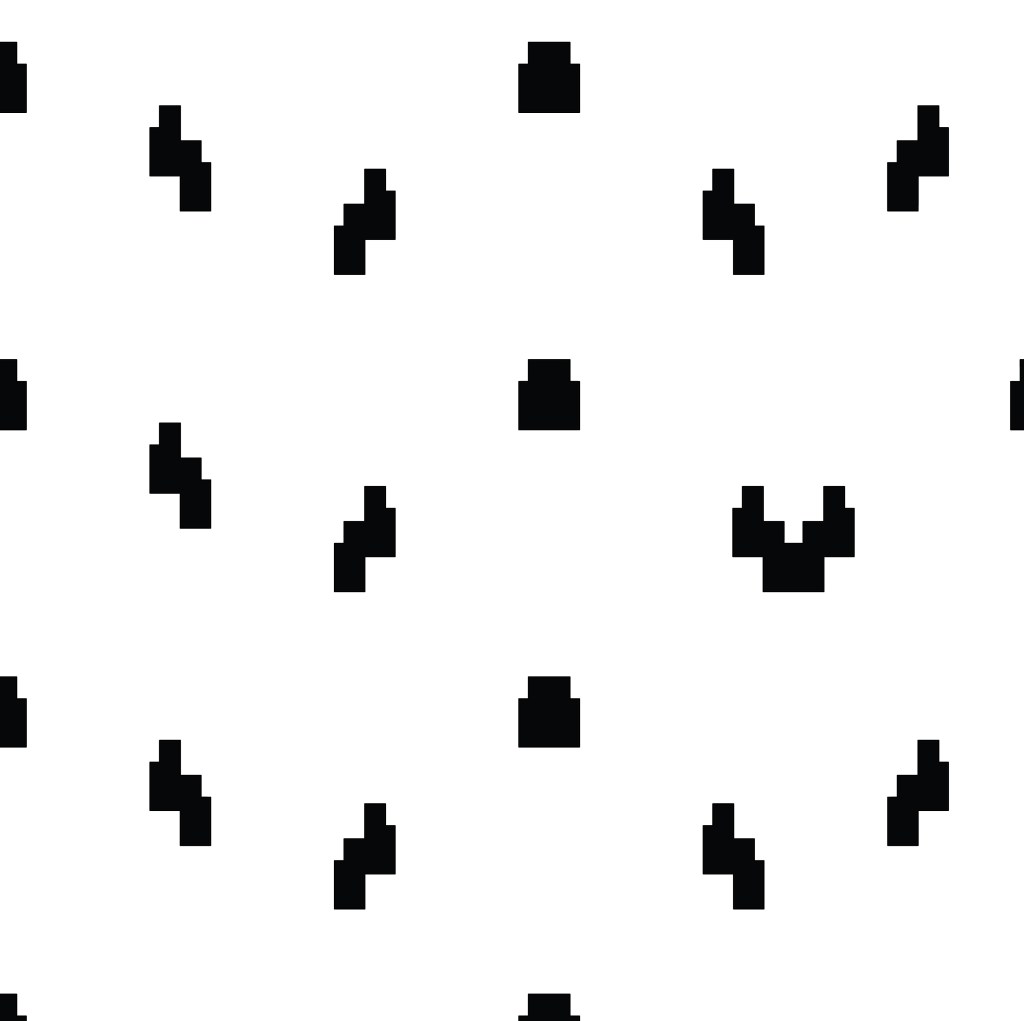
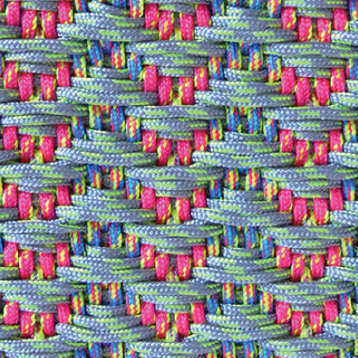
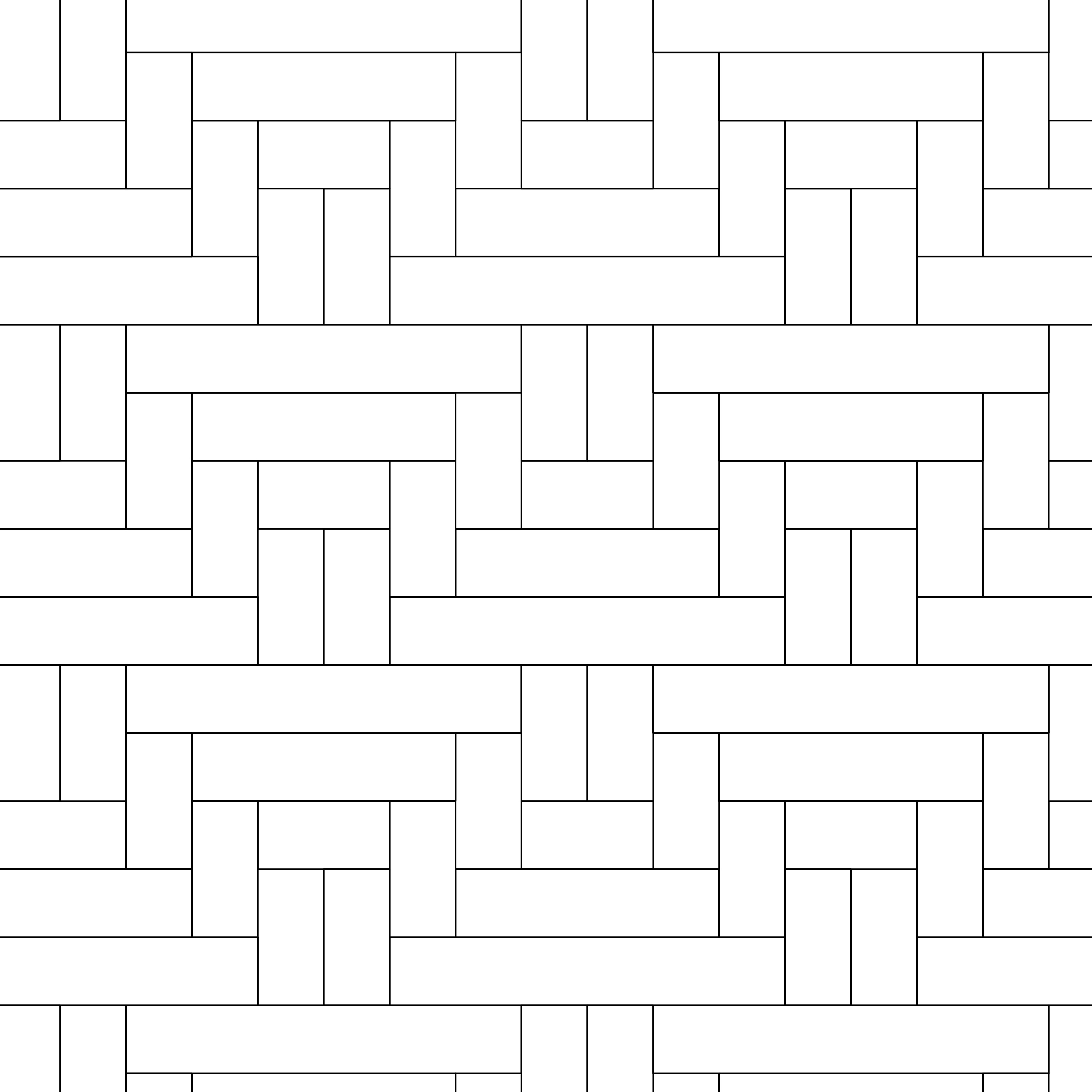
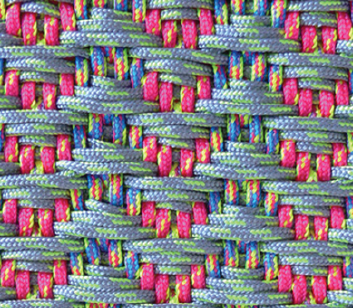
Taking the term “urban fabric” literally, a textile pattern is utilized to develop a neighborhood grid plan composed of triple-decker homes, a vernacular residential typology common in the Boston area. Planimetric and sectional changes within the neighborhood take cues from the motion created from a twill weaving pattern. The triple decker homes are paired on archipelagos that create a hybrid urban and suburban context. Within this neighborhood lies a single anomalous archipelago containing four triple-decker structures. This anomaly must assimilate itself with its environment to prevent an obvious disruption of the grid.
Institution
Harvard University Graduate School of Design
Project
Neighborhood Plan
Instructors
Zeina Koreitem
Date
Fall 2018
ABSTRACTED TWILL WEAVE AS URBAN PLAN
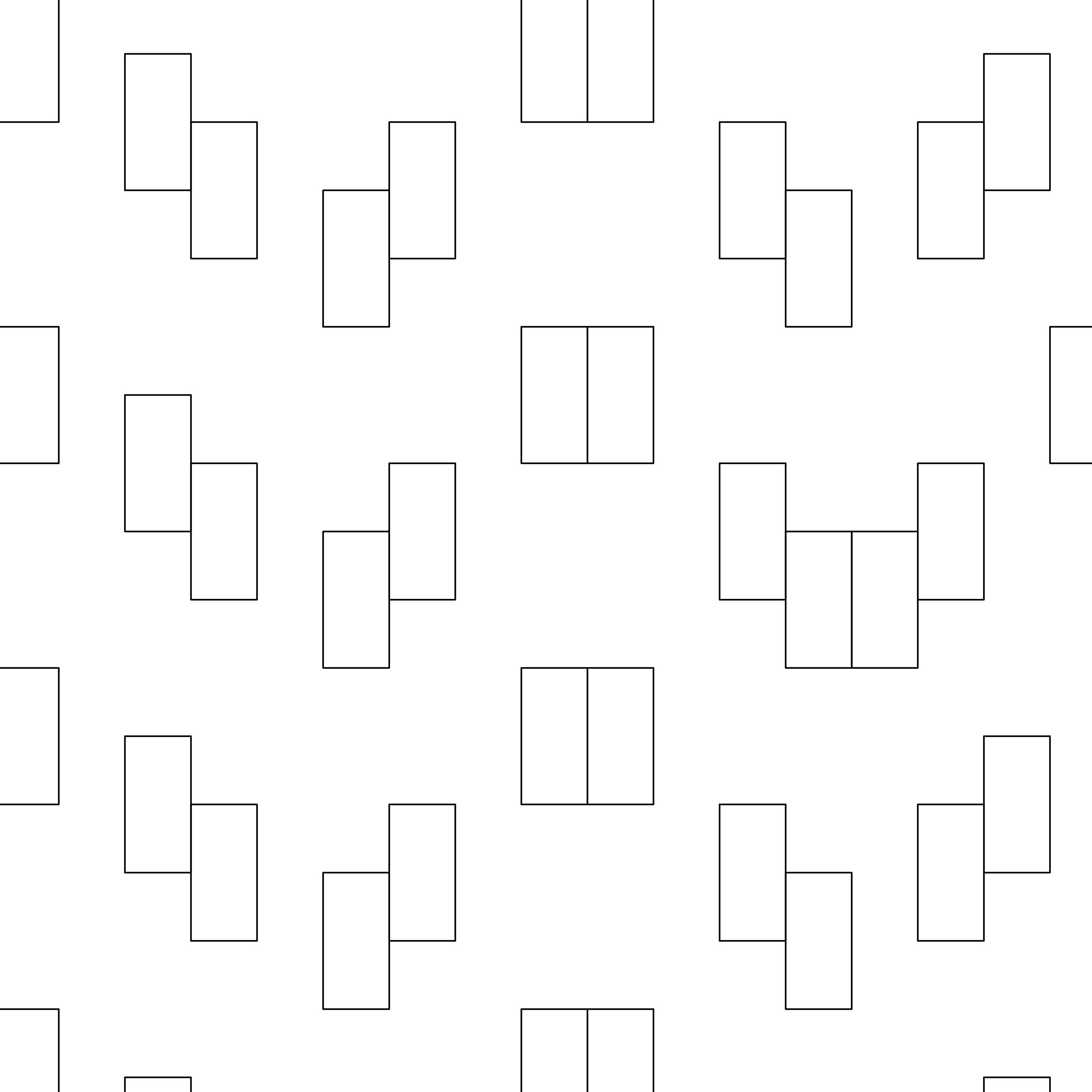
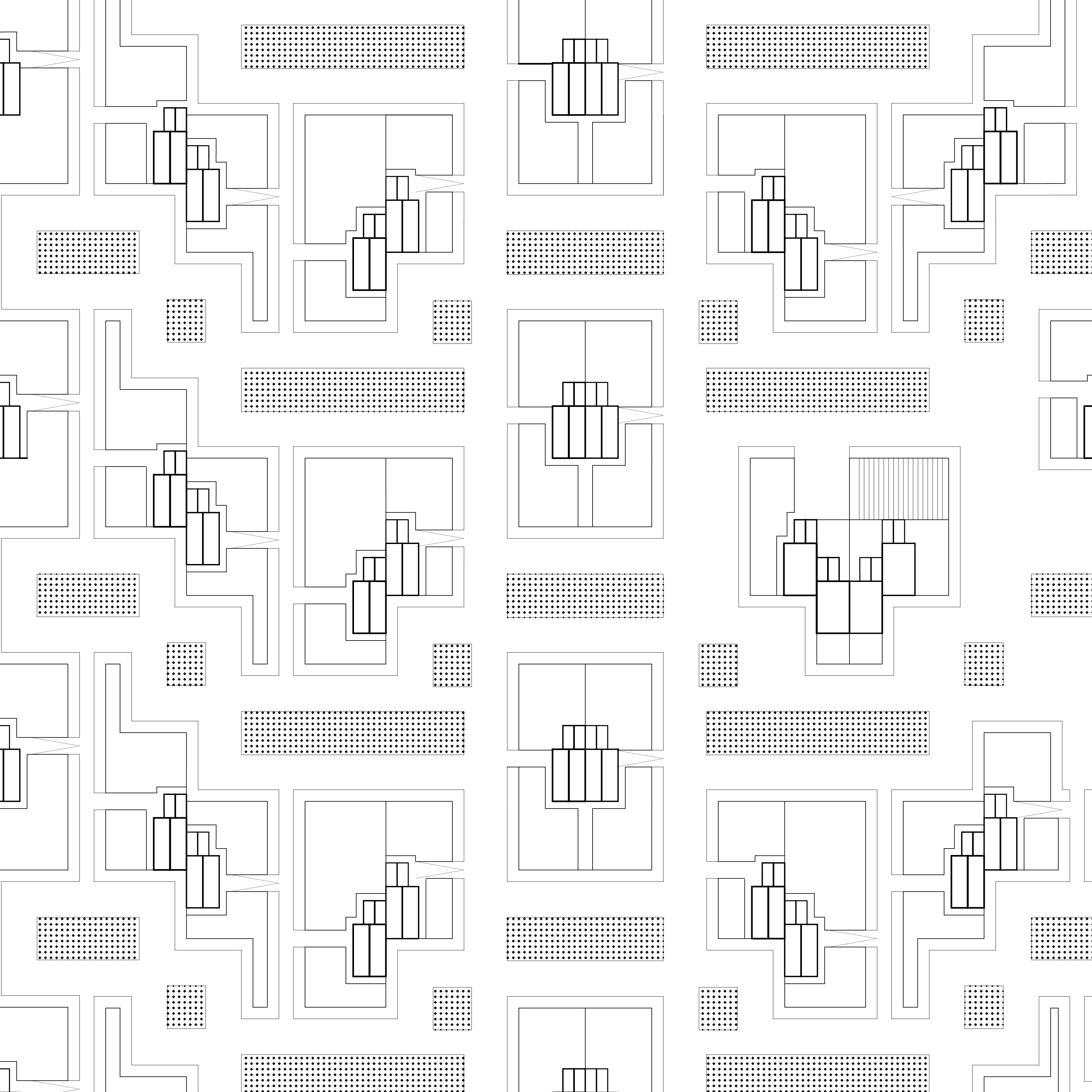
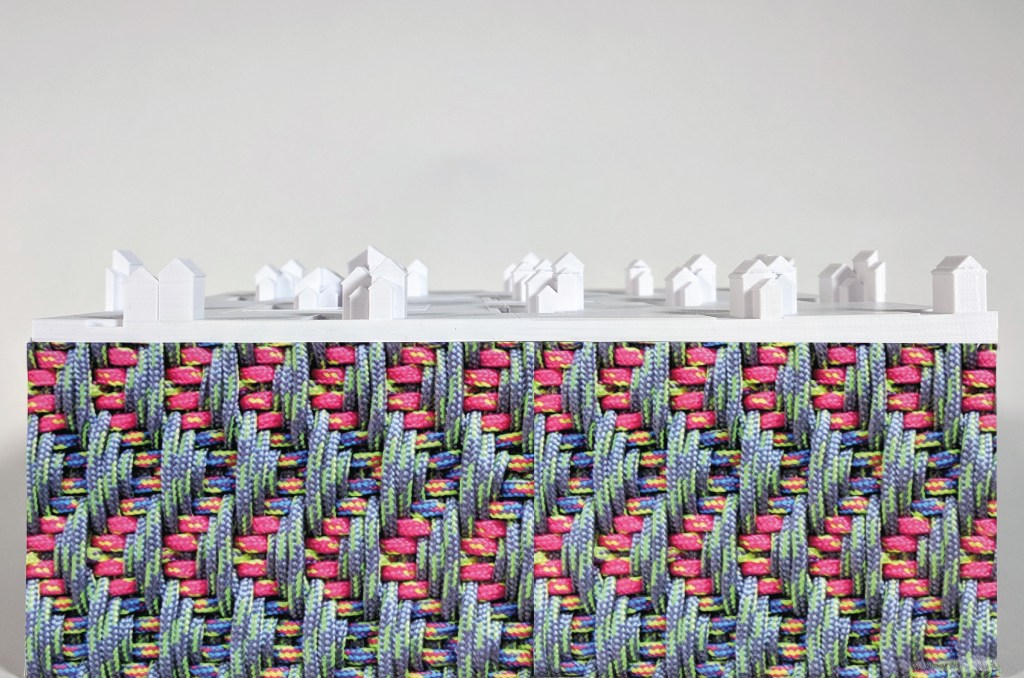
The final neighborhood plan is composed of pairs of homes on archipelagos along long boulevards. Traffic in the transverse direction follows a zig-zag pattern that navigates public squares and parks. Sectional variation across the neighborhood ranges from triple decker residences that are a full story below ground level to those that are a full story above ground level. Pedestrians and drivers will both experience the zig-zag effect of navigating the area on different scales.
Left: Physical model elevation view of neighborhood plan.
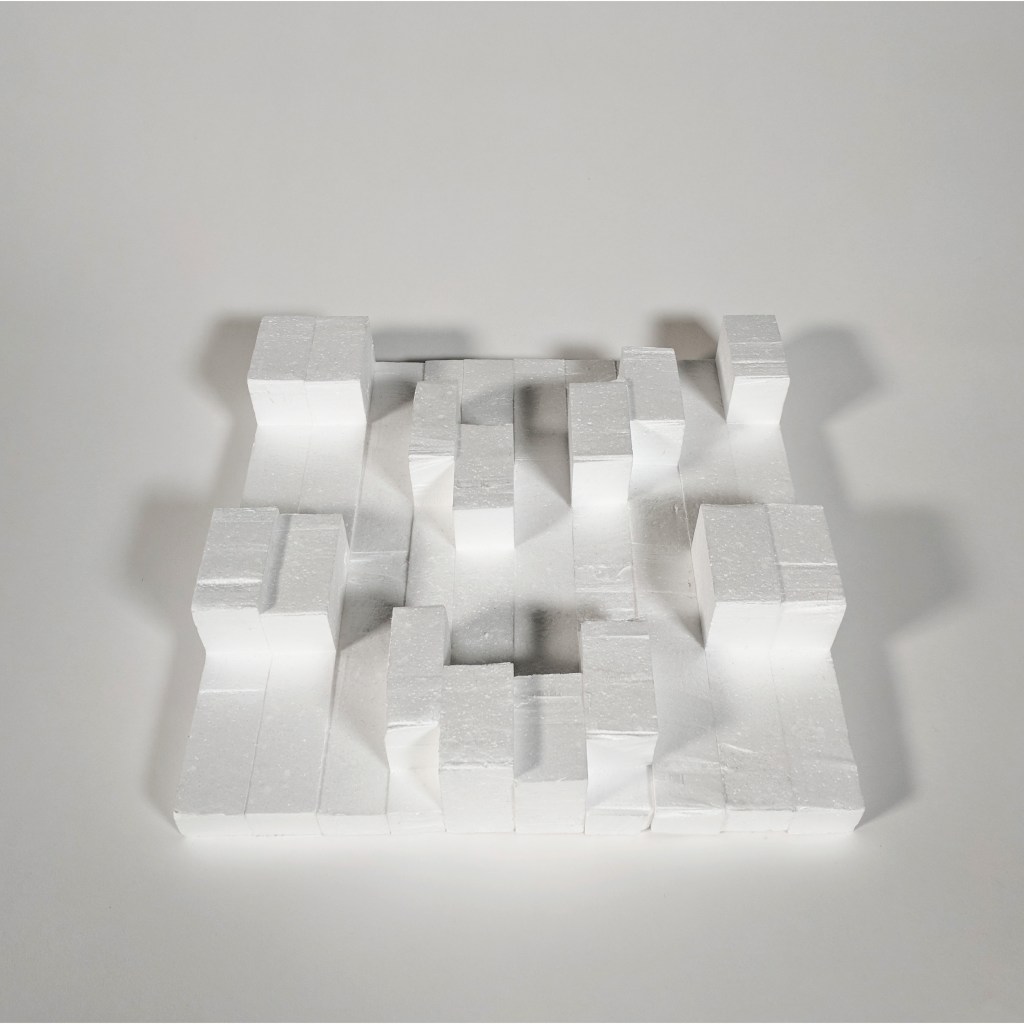
Physical model displaying the sectional variations across the neighborhood plan.
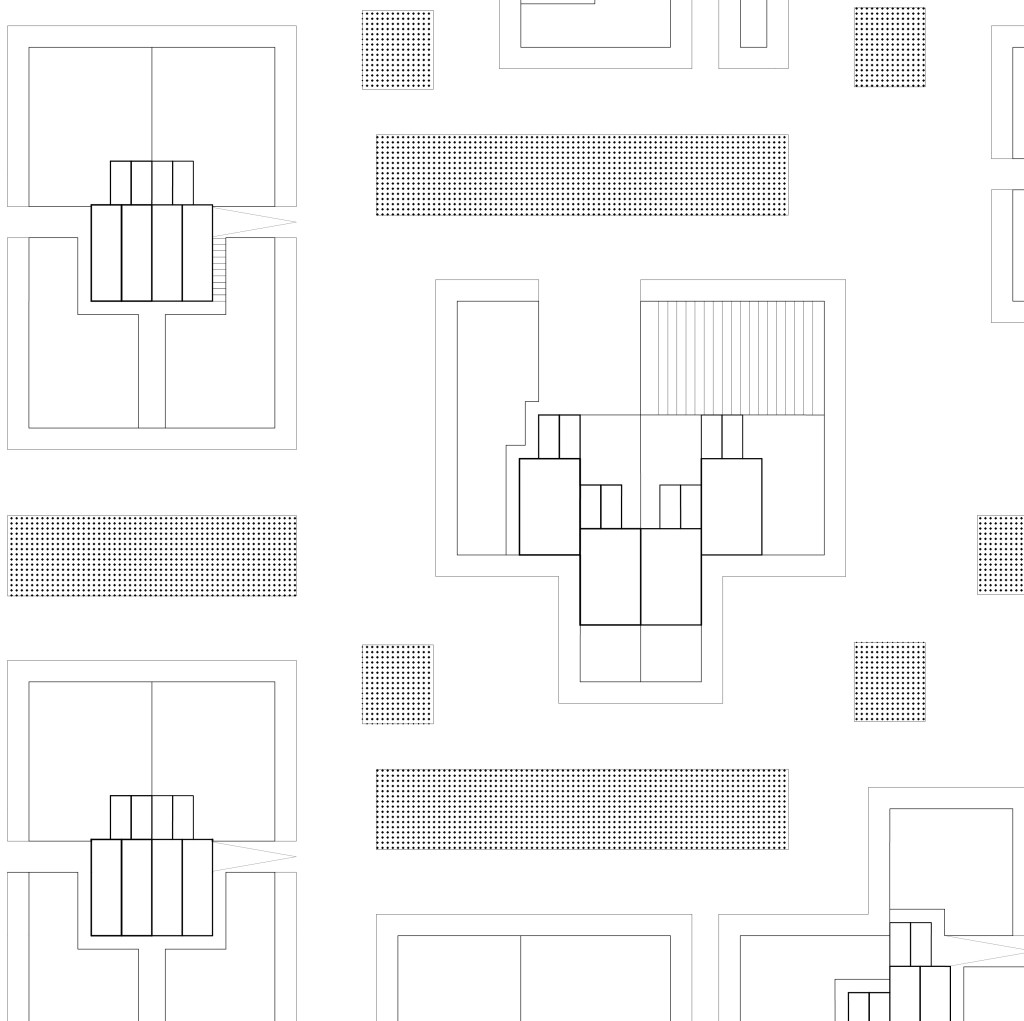
Detail plan highlighting the anomalous group of homes, the neighboring housing pairs, and public green spaces (represented as shaded regions).
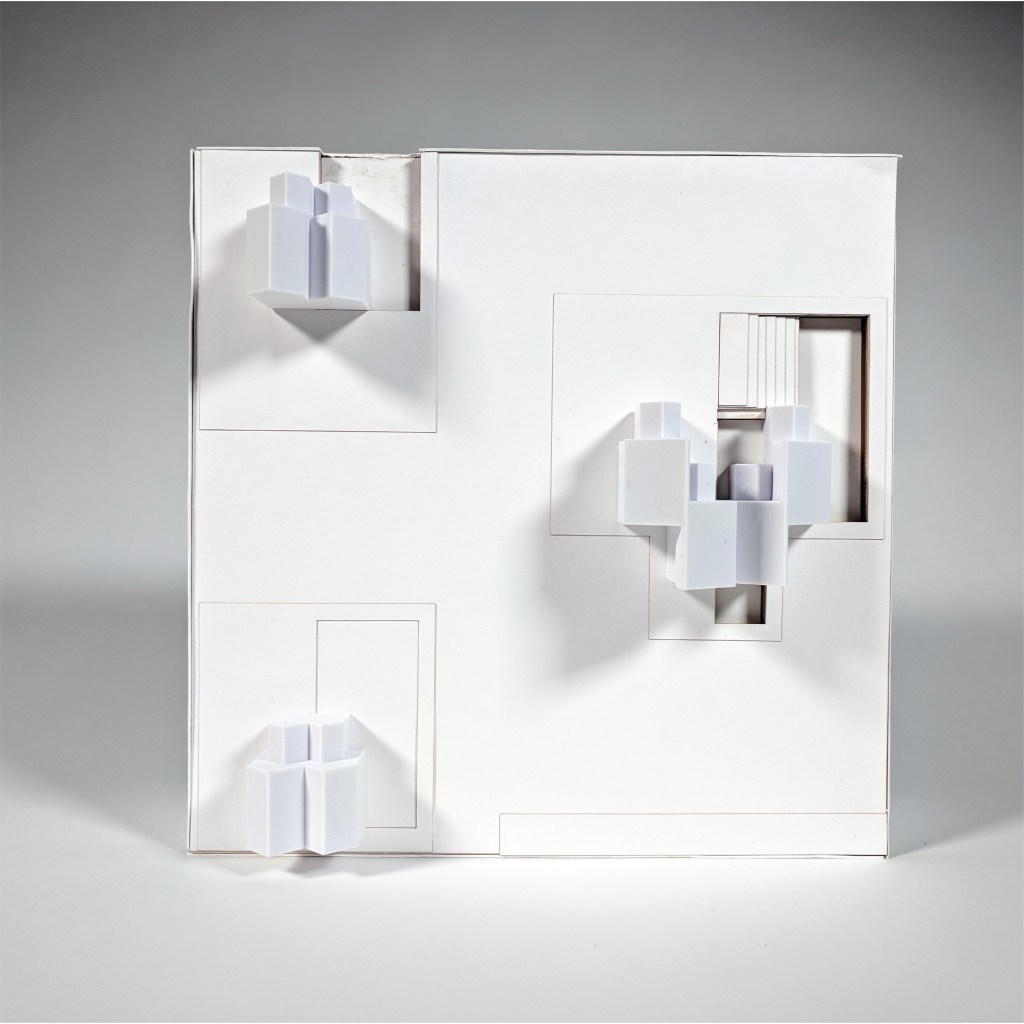
Physical model of the anomalous group of homes and the neighboring pairs of houses.

 Tara Oluwafemi